
A digitalisation consultant is supposed to make the processes and systems in your company digital. In practice, that often means workshops, concepts and slides. What most people are actually looking for is someone who builds interfaces, automates workflows and puts AI to work where it helps. In other words: a doer.
Before you bring someone in, it pays to take an honest look at what you actually need. And at what you end up getting.
The two types of people reading this.
If you're looking for a digitalisation consultant right now, you're usually one of two types.
Type 1: You know something needs to change, but maybe not exactly what. Processes are stuck, systems don't talk to each other, the team is working at capacity. Something is off. You might be able to name it, but you can't solve it yet. Too many opinions, too little clarity, and somewhere out there should be someone who gets it.
Type 2: You know exactly what you want to do. The direction is clear, the idea is set. What's missing are people to make it happen. Not available internally, no capacity right now, not found externally yet.
Both are legitimate. And there are plenty of offers out there for both. But the same applies to both: you don't need someone who analyses the problem again. You need someone who starts and works on a solution.
What you're looking for. And what you often get.
You're looking for someone who really understands what's broken, who says clearly what they think, and who starts. Ideally tomorrow.
What you often get: A strategy workshop first. Then maybe a second one, because not all stakeholders were on board. Then a document with best practices and observations. Then a presentation with recommendations for things everyone internally already knew. And then a proposal for phase two.
That's not malice. Honestly, that's the model. If you're paid by the hour, you have (logically) no incentive to finish faster. So consultants usually aim for an engagement that runs as long as possible, not one that's done as fast as possible.
Consultant vs. doer. The difference in practice.
- The consultant runs strategy workshops.
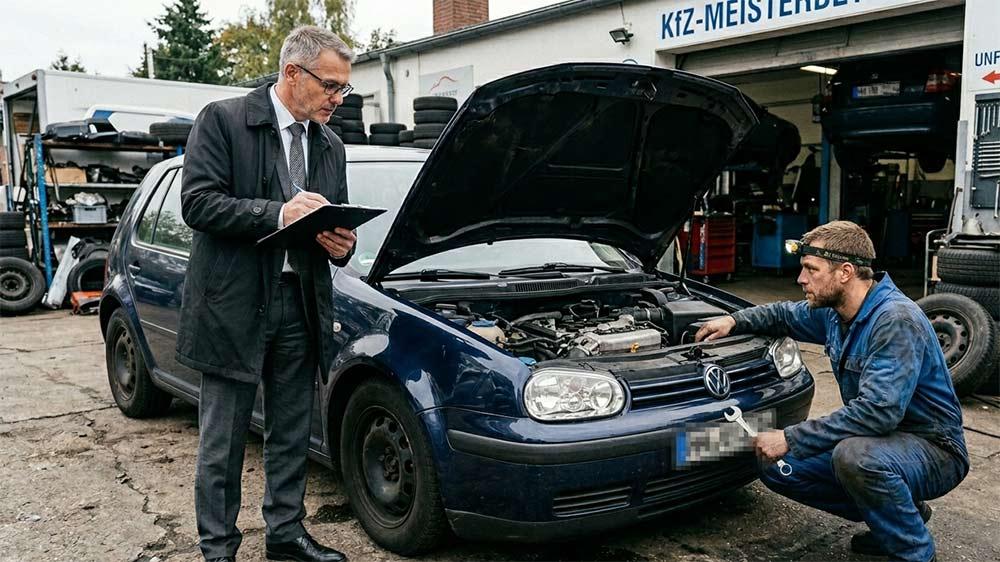
The doer pops the hood, says honestly what they think, and suggests starting with the most urgent issue tomorrow. - The consultant delivers a PowerPoint with best practices.
The doer builds you a solution tomorrow, so people can finally work properly again. Because they know where it hurts. - The consultant nods along to ideas to extend the mandate.
The doer puts their finger on the wound, asks uncomfortable questions and tells you when the current software architecture is simply garbage. That hurts sometimes. But it's focused on the solution and meant well. - The consultant analyses, talks to everyone, paints nice slides and delivers a recommendation.
The doer has already built something before the consultant paints the first slide.
Where digitalisation actually gets stuck.
Digitalisation sounds like strategy. Day to day, it's usually three construction sites: systems that don't talk to each other. Work a person does by hand that a machine could do. And AI that everyone talks about but hardly anyone uses in a meaningful way.
A digitalisation consultant who doesn't get their hands dirty here stays on the slide. These three spots are where talkers and builders part ways.
Interfaces: when systems don't talk to each other
CRM, ERP, shop, accounting. Every system runs on its own. In between, someone types data from left to right. Or a CSV export travels back and forth every Monday. That doesn't just cost time. It produces typos and duplicates, and at some point nobody trusts the numbers anymore.
A doer doesn't ask about your interface strategy. They look at which data needs to go where and build the connection. Via API, through middleware or with a workflow tool like n8n. What matters is that it runs reliably and someone on your team can maintain it.
A typical case: the ERP talks to nothing. Orders come in by email, get typed in by hand, and sales can't see in the CRM what the customer ordered last. The fix is rarely a new system. Usually a clean connection between the ones you already have is enough.
Automation: when people do machine work
Typing up invoices, forwarding requests, copying reports together, writing status emails. All tasks that come back every day and always run the same way. Those are exactly the ones to automate.
The most common mistake: automating what's most visible, not what costs the most. Or automating the process one to one, detours included. Then the bad process just runs faster. Clean it up first, then automate.
And start small. A workflow that's live in two weeks beats the big project that never gets finished. Once the first one runs, you'll see what the second one has to be. Why the process comes before the software is in our piece on digitalisation in SMEs.
AI: when everyone talks about it and nobody uses it
AI comes up in every meeting. Still, most teams use it for emails at best. That's rarely down to the technology. What's missing is clean data, connected systems and a clear use case.
That's why AI doesn't come first for us, it comes last. Once data flows and the routine work is automated, AI turns from a toy into a tool. Then it sorts requests, summarises tickets, finds duplicates or writes the first draft.
If you start with the AI strategy before the interfaces are in place, you're building the roof before the foundation.
Why this matters more now than ever.
With AI, time has become even more critical. Everything moves faster. If you don't start today, you'll watch others get three steps ahead tomorrow.
Months-long analysis phases were always expensive. Today they're also dangerous. Start tomorrow, validate the day after: that's what makes the difference. Not because you should act without thinking, but because clarity comes from doing, not from slides. In practice, you also find things that aren't in any concept. You start doing the right things sooner.
While others are still reading the manual, the doer already has the wrench in hand.
When do you need which?
Honestly: there are situations where classic consulting makes sense. When a company genuinely doesn't know where it stands. When complex stakeholder landscapes need to be aligned. When external validation is politically necessary internally, so a third party confirms the assumption. Or because nobody internally dares to say it out loud.
But those are exceptions, not the rule.
Got concrete ideas and need someone to implement them: doer.
Know something is broken and need someone to say it straight: doer.
Need someone to blame for the next decision: consultant.
How to spot a good digitalisation consultant.
Whatever they call themselves: these points separate doers from slide painters. Go through them in the first conversation.
- They ask about your problem, not about the budget for the analysis phase.
- After the first conversation, they tell you where they'll start and why.
- They build interfaces, automations and AI solutions themselves or have the people for it on their team. Not just a partner they hand you off to.
- They deliver something that runs within weeks, not a concept within months.
- They also tell you what you don't need. The next tool, for example.
- They leave behind something your team can run on its own, instead of making you dependent.
What makes a doer.
Not the tool. Not the method. The attitude.
A doer measures themselves by results, not output. Not by the number of slides, not by milestones checked off and not by the final report. But by whether things run better afterwards.
A doer says what they think. Even when it's uncomfortable. Even when the architecture isn't great. Even when the CEO's idea doesn't work. If you don't say it, you're optimising for your own mandate, not for the result.
A doer starts. Fast, with what's there, and adjusts along the way. Not because they're unprepared, but because they know real insights come from doing, not from theory.
There are plenty of digitalisation consultants. Really plenty.
But someone who pops the hood, says it straight and starts connecting systems and automating work tomorrow: that's a different story. And that's exactly what companies need right now.
We're doers by conviction. How we approach things is in our playbook.
— Robert
