


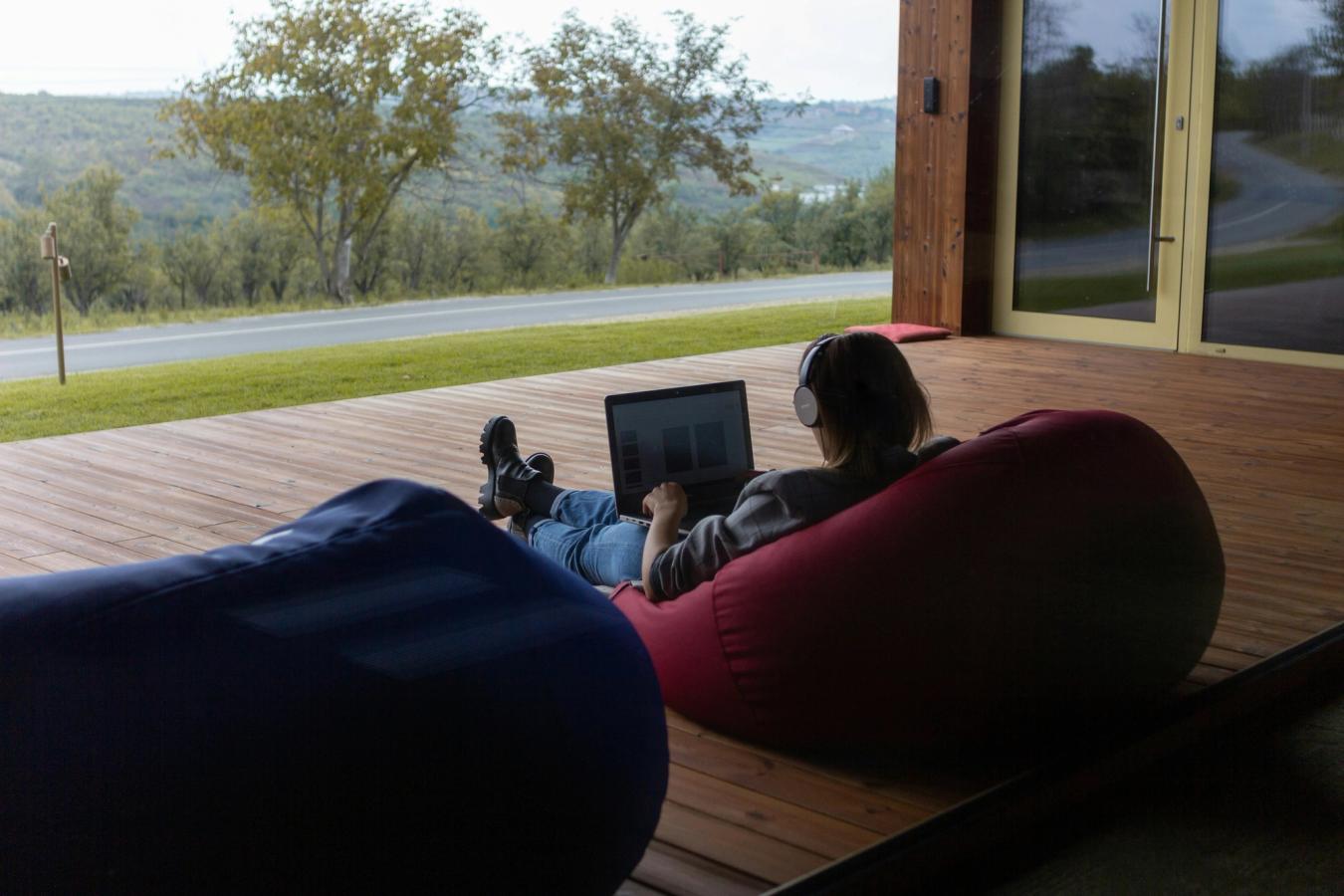
After the pandemic, many companies tried it briefly. Out of necessity. And now? Hybrid models with fixed office days, attendance requirements on demand, and managers secretly tracking who was active on Slack and when. Remote work has failed in Germany, but not for the reasons most people give.
Presence is not productivity
The biggest misconception in German companies: presence gets equated with productivity. If you are in the office, you are working. If you are at home, you are watching Netflix.
The reality: I can also spend five hours in the office on Instagram when things are quiet. Nobody sees it. Nobody measures it. But if I do the same at home, I am lazy.
The difference is not productivity. The difference is visibility. And visibility is not a business goal.
Life does not fit into office hours
Everyone has bad days. Everyone needs to see a doctor sometimes. The dentist only has a slot at 9:30am, so the employee takes half a day of leave because otherwise they are "absent". That is absurd.
Anyone who does not trust their team to manage a dentist appointment without work suffering has a trust problem. Not a remote problem.
Why the transformation usually fails
I have only seen a few companies that successfully transformed to full remote. But many that were remote-only from the start and live it without problems. The difference: the latter never knew any other culture.
With the former, management sits somewhere between "let's give it a try" and "honestly we want everyone back in the office". And the team feels that immediately.
Remote work does not work as a compromise. It needs full commitment from the top, otherwise it is just probationary home office.
What actually works
Trust is not a setting you introduce by memo. It shows in how results are measured, not hours. How meetings are structured, async first, not mandatory attendance. How leaders themselves work.
If you as a leader drive to the office every day at 8am and silently expect the same, you never really wanted remote. Full remote works when management shows full commitment from day one. Not as an experiment. As a decision.
Remote work does not fail because people cannot work from home. It fails because companies confuse control with leadership. And that is not a remote problem. It is a management problem that exists in the office just as much. Just less visibly.
— Robert

